Aztec Geometric Embroidery Pattern: A Designer’s Review
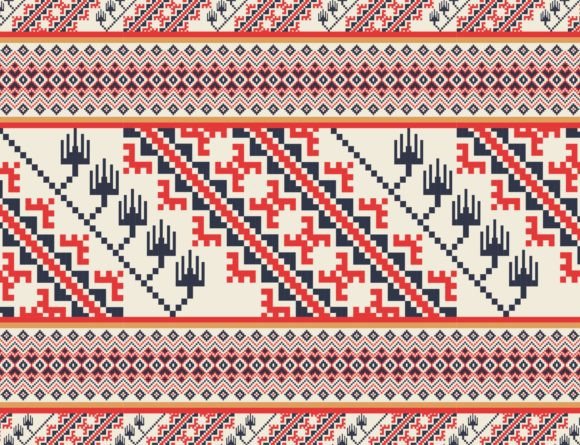
When I first pulled up the Aztec Geometric Embroidery Pattern on my screen, I wasn’t looking for flashiness. I was looking for structure. As a designer who spends half my life troubleshooting puckered fabric and broken needles, I have learned to appreciate clean lines and intentional spacing. This design, described as an Aztec Kilim geometric embroidery pattern with a vector-based pixel art style, immediately struck me as a versatile asset for both modern and traditional textile projects. It doesn’t scream for attention; instead, it offers a rhythmic, ethnic geometric pattern that feels grounded and reliable.
First Impressions: Mood and Visual Personality
The visual personality of this Graphics asset is distinct. It bridges the gap between ancient tribal motifs and contemporary digital aesthetics. The "pixel art style" mention in the description suggests a stepped, blocky precision that translates surprisingly well into machine embroidery. Unlike fluid, organic shapes that can look messy if the stitch density is off, geometric shapes demand accuracy. This pattern delivers that sharpness.
The mood it creates is one of curated craftsmanship. It feels at home in a boutique setting rather than a mass-production factory. For an Etsy seller or a small shop product creator, this kind of visual clarity is gold. It signals to the buyer that thought went into the selection of the design assets. It is not just a random shape; it is a deliberate cultural reference stylized for modern fabric and textile applications.
Real-World Application: The Tote Bag Test
To truly evaluate a machine embroidery design, you have to imagine it stitched out. I recently worked on a custom order for a local bookstore that wanted branded tote bag design options. They needed something that looked good on heavy canvas but didn’t require hours of machine time. I loaded the Aztec Geometric Embroidery Pattern into my simulation software to check the flow.
The seamless nature of the pattern allows for interesting scaling. For the tote, I used it as a central panel accent. The geometric blocks held up beautifully against the coarse texture of the canvas. The stitch density appeared balanced in the preview, suggesting it wouldn’t pull the fabric too tightly. This is crucial for home decoration elements like pillow covers or upholstery, where durability matters. If the stitches are too sparse, the fabric shows through; too dense, and the item becomes stiff. This pattern seems to hit that sweet spot for medium-weight fabrics.
Versatility Across Product Lines
Beyond totes, this design has legs. Here is how I see it performing in various embroidery project scenarios:
- Sweatshirt Embroidery: Placed on the chest or sleeve, the geometric lines provide a sporty yet ethnic vibe. It works well with satin stitch borders to define the edges against fuzzy fleece.
- Baby Embroidery: Simplified, this could adorn a burp cloth or blanket border. The repetitive nature is calming and visually appealing for nursery decor.
- Embroidered Patch: Because of its defined shapes, it would make an excellent iron-on or sew-on patch. The clear boundaries help when cutting away excess stabilizer.
- Holiday Embroidery: With the right thread colors—think deep reds, ochres, and teals—it fits perfectly into autumn or winter gift collections.
Technical Considerations and Fabric Choices
While the design is strong, it is not without its challenges. As an experienced reviewer, I must point out where caution is needed. The "pixel art" aesthetic relies on sharp corners. On stretchy fabric like jersey knits, these corners can distort if the stabilizer isn’t robust enough. I always recommend a cut-away stabilizer for garments that will be washed frequently.
Additionally, consider the hoop size. If you are working with a small 4x4 hoop, you may need to split the pattern or reduce it significantly. Reducing geometric patterns too much can cause the stitches to merge, losing that crisp pixelated look. Always test the design on scrap fabric first. Check the thread color contrast. On dark fabrics, lighter threads will pop, but ensure your machine’s tension is adjusted so the bobbin thread doesn’t peek through the fill stitch areas.
For custom apparel like caps, the curved surface presents another hurdle. The flat geometric lines might appear warped if not digitized with pull compensation in mind. Since this is sold as a digital embroidery file, you must verify if the provided format includes variable sizing or if it is fixed. If it is a vector-based source file, you have more flexibility to adjust the running stitch underlays before converting to your machine’s native format.
Enhancing Brand Value and Customer Trust
Why does this matter for your craft business? Because consistency builds trust. When a customer buys a personalized gift or a piece of commercial embroidery from your store, they are buying into your aesthetic. Using high-quality Patterns like this Aztec motif elevates the perceived value of the finished product.
It moves your items from "homemade" to "handcrafted professional." The ethnic geometric pattern suggests a global, artistic sensibility that appeals to buyers looking for unique home decoration elements. It differentiates your Etsy listings from the sea of generic floral designs. Furthermore, because it is a seamless pattern, it can be used in printable mockup designs for your online store, giving customers a realistic preview of how the item will look without stitching every single sample.
Practical Designer Notes
- Check Licensing: Before selling finished product items, confirm the license terms of the embroidery file. Some creators allow commercial use of stitched items but restrict the resale of the digital file itself.
- Test Stitch Density: Run a test on similar fabric to your final product. Look for thread breaks or bird-nesting in the tight corners of the geometric shapes.
- Color Theory: This design shines with high-contrast palettes. Try earth tones for a rustic look or neon brights for a modern twist.
- Detail Inspection: Zoom in on the smallest elements. If they are smaller than 3mm, consider removing them or merging them to prevent production issues.
In conclusion, the Aztec Geometric Embroidery Pattern is a solid addition to any designer’s library. It is practical, visually striking, and adaptable. Whether you are creating upholstery accents, kitchen towel hems, or boutique branding materials, this design offers the structural integrity needed for professional results. Just remember to respect the technical requirements of your machine and fabric, and you will find this pattern to be a reliable workhorse in your creative toolkit.