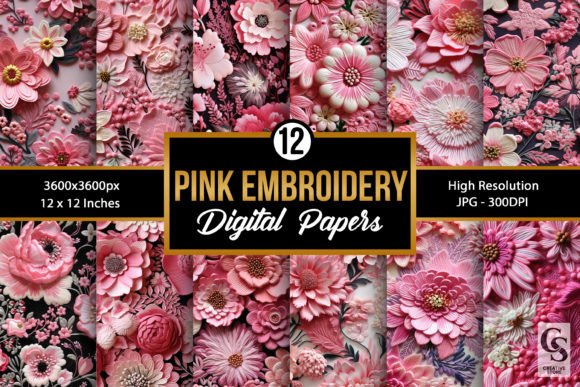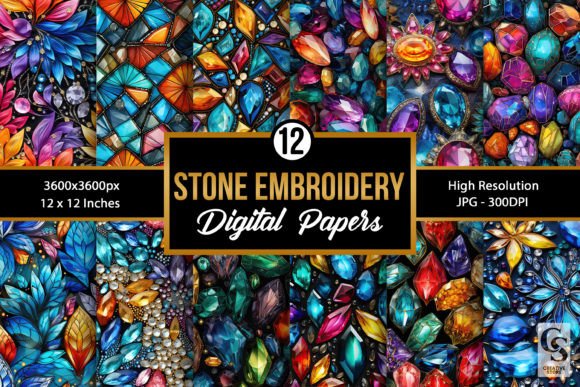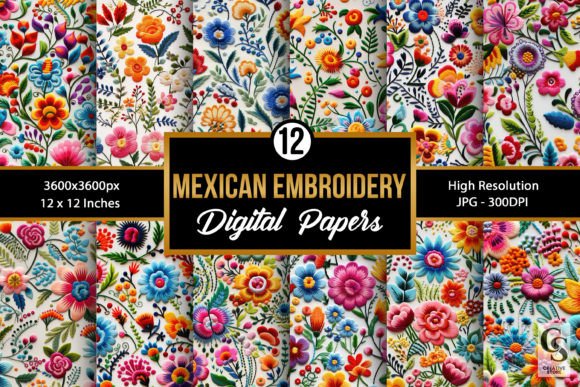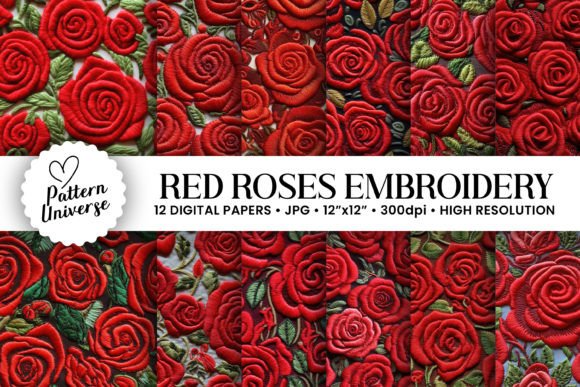
Poppy Flowers Embroidery Digital Papers Review
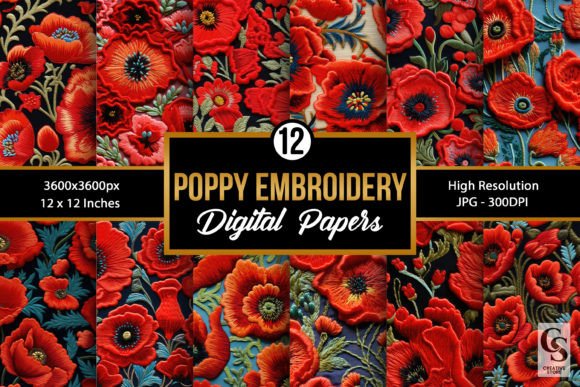
As an embroidery designer who spends half the year planning for the holiday rush, I am constantly on the hunt for assets that bridge the gap between digital aesthetics and tangible texture. When I first opened the Poppy Flowers Embroidery Digital Papers, my immediate reaction was not just about the visual appeal, but about the potential these graphics hold for a seasonal product line. The collection includes 12 digital papers within one zip file, all delivered in high-resolution 300dpi JPG format at 3600 x 3600 pixels. For those of us creating small shop products or managing busy Etsy stores, this resolution is critical for generating crisp, professional-looking mockups that convert browsers into buyers.
Setting the Seasonal Mood with Floral Graphics
The first impression of these patterns is one of rustic elegance mixed with a touch of nostalgia. Poppies often evoke memories of summer gardens, but when rendered in this style, they carry a warm, cozy tone that fits surprisingly well into autumn and winter collections. The decorative style feels organic rather than rigid, which is perfect for creators aiming for a handmade, artisanal vibe. Whether you are targeting customers looking for romantic home decor or playful baby items, the emotional tone here is inviting. It does not scream "holiday" in the traditional red-and-green sense, but it offers a sophisticated alternative for buyers seeking unique, non-traditional seasonal embroidery themes.
For an Etsy seller or craft fair vendor, standing out during the crowded holiday season is essential. These Patterns provide a distinct visual identity. They are not overly complex, which means they translate well into various mediums without losing their charm. The detail level is balanced; it is intricate enough to look premium but simple enough to remain readable from a distance, a key factor for gift-ready products displayed on busy retail tables.
Practical Applications for Holiday Collections
When building a seasonal shop collection, versatility is king. I immediately envisioned how these Graphics could be applied across a diverse range of products. Here is how I see these digital papers performing in real selling situations:
- Sweatshirt Embroidery: The poppy motifs work beautifully as large back prints or subtle chest logos. The organic shapes complement the soft texture of fleece and cotton blends, making them ideal for cozy winter apparel.
- Tote Bag Design: A single poppy pattern can serve as a striking focal point on canvas totes. These make excellent personalized gift options when paired with monograms, appealing to shoppers looking for practical yet stylish accessories.
- Kitchen Towel Embroidery: For home decor enthusiasts, these patterns add a splash of color to neutral linens. They elevate simple tea towels into boutique-quality items that sell well in gift bundles.
- Pillow Cover Accents: Using these designs for printed inserts or embroidered accents on throw pillows can refresh living spaces for the holidays without being overtly festive.
- Embroidered Patch Creation: The high resolution allows for detailed printable mockups that can guide the creation of iron-on patches, a popular item for jacket customization during colder months.
Beyond physical goods, these files are invaluable for marketing. As a digital embroidery file creator or finished product seller, you need high-quality visuals for social media previews. The 12-inch square format is perfect for creating cohesive Instagram grids or Pinterest pins that showcase your brand’s aesthetic consistency.
Navigating Technical Constraints and Fabric Choices
While the visual appeal is strong, we must approach these designs with a designer’s eye for technical execution. Since these are digital papers and not direct machine embroidery design files, they serve as inspiration or print elements. However, if you are using them to guide hand embroidery or digitizing your own embroidery file, there are crucial considerations.
First, consider the stitch density. If you plan to digitize these patterns, ensure you adjust the density based on the fabric. Thick towels require different stabilization than delicate baby items. Always use the proper stabilizer to prevent puckering, especially if you are working with stretchy garments like sweatshirts. The organic curves of the poppies can distort if the fabric is not properly hooped and supported.
Second, think about thread colors. The digital files may show vibrant reds and greens, but thread behaves differently under light. Test your color palette on both light and dark fabrics. On dark fabric, you may need to use an underlay stitch or choose lighter thread shades to ensure the design pops. Conversely, on white linen, subtle tonal variations can create a sophisticated, understated look.
Be cautious with small hoop sizes. If you are scaling these patterns down for tiny ornaments or baby booties, ensure the details do not become lost. Tiny lettering or intricate petals may merge together if the hoop size is too small relative to the design complexity. Always stitch out a test sample on scrap fabric of the same type before committing to a final finished product.
Enhancing Brand Value and Customer Trust
Incorporating high-quality visuals like Poppy Flowers Embroidery Digital Papers into your workflow does more than just save time; it enhances perceived value. When customers see professional, cohesive printable mockup images, they trust the quality of the physical item. This is particularly important for commercial embroidery businesses where brand consistency builds loyalty.
During the holiday shopping period, buyer emotion drives purchases. These patterns evoke feelings of warmth and care, which aligns perfectly with the intent behind buying a handmade gift. By using these graphics in your promotional materials, you signal attention to detail and artistic integrity. This visual recognition helps your products stand out in a sea of generic holiday items.
Before launching any new line, always confirm commercial licensing terms. While these files are provided for creative use, ensuring you have the right to sell finished products derived from these inspirations is vital for legal peace of mind. Check the specific license included in the zip file to understand the scope of commercial embroidery rights.
Final Designer Notes for Seasonal Success
To maximize the potential of this collection, I recommend creating a mood board that pairs these poppy patterns with complementary textures like wool, velvet, and raw cotton. Plan your color palettes in advance to ensure they match your existing inventory. Remember, the goal is to create a harmonious collection that feels curated, not cluttered.
Review small details after stitching to ensure quality control. If you are offering personalized options, test how the poppy motifs interact with custom text. The organic nature of the flowers should frame the lettering, not compete with it. With careful planning and high-quality execution, these digital papers can be the cornerstone of a successful, emotionally resonant holiday collection.