Review: Happy Girl Embroidery Design for Real Projects
As a designer who has spent countless hours digitizing and stitching out thousands of patterns, I approach every new machine embroidery design with a mix of curiosity and skepticism. We have all been there: you download a file that looks stunning on the screen, only to find it turns into a tangled mess of thread breaks and puckering on the fabric. That is why I took a close look at the Happy Girl Embroidery Design before committing it to any client work or personal inventory.
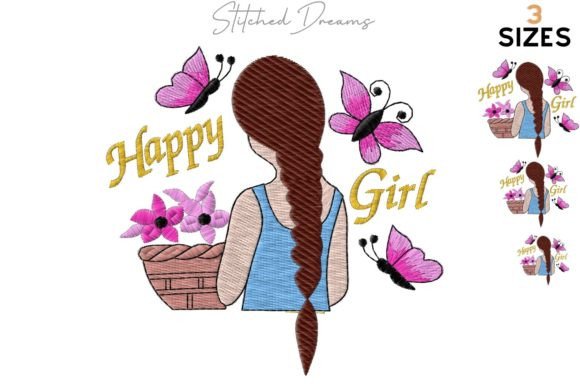
This particular pattern, often described under themes like Blossom Beauty, features a graceful silhouette of a girl with flowing locks and delicate flowers. While the product category lists it under Boys, which might seem contradictory at first glance, the universal appeal of whimsical, nature-inspired art means this design transcends rigid gender norms. It is less about who wears it and more about the mood it evokes. Let us break down how this design performs in the real world, away from the polished marketing mockups.
First Impressions and Visual Flow
The immediate impression of the Happy Girl Embroidery Design is one of lightness. The layout relies heavily on clean lines and organic curves rather than dense, blocky fills. This is crucial for modern aesthetics. Customers today, especially those browsing Etsy or boutique shops, prefer designs that feel integrated into the garment rather than slapped on top of it. The silhouette approach allows the fabric color to play a significant role in the final look, making it versatile.
The detail level is moderate. It is intricate enough to show craftsmanship but not so dense that it requires hours of machine time or excessive thread consumption. For a craft business owner, time is money. A design that stitches out cleanly in a reasonable timeframe without sacrificing visual impact is a goldmine. The flowing locks and floral elements suggest a use of satin stitch for outlines and potentially lighter fill stitch areas for the flowers, though this depends entirely on the specific digitizer’s choices in the embroidery file.
Real-World Application: The Tote Bag Test
To truly evaluate a design, you must imagine it on a physical product. I visualized this pattern on a natural cotton canvas tote bag design. This is a staple item for many Etsy sellers and small shop owners. The organic theme of the happy girl surrounded by blossoms pairs perfectly with eco-friendly materials. When stitched on canvas, the design needs to hold its shape without pulling the fabric.
In this scenario, the open spaces in the silhouette are beneficial. They prevent the heavy puckering that often plagues large, solid designs on unstructured bags. However, because canvas has a visible weave, the thread colors need to be chosen carefully. A high-contrast thread, such as deep navy or forest green on natural beige, would make the lines pop. If you opt for subtle tones, ensure your stitch density is sufficient to cover the texture of the fabric, or consider using a slightly thicker thread weight.
Apparel and Custom Gifts
Moving beyond accessories, let us consider custom apparel. This design shines on sweatshirt embroidery projects. The soft, heathered texture of a sweatshirt provides a forgiving background for the delicate lines of the girl’s hair and flowers. It creates a cozy, nostalgic feel that appeals to buyers looking for unique, handmade product options. It also works well for a personalized gift, such as adding a name in a complementary script font below the silhouette.
For baby embroidery, caution is advised. While the theme is innocent and sweet, babies have sensitive skin. Ensure that the back of the stitching is clean and that no scratchy stabilizer remnants remain. Using a soft, cut-away stabilizer is essential here to maintain the integrity of the design through multiple washes, as baby items are laundered frequently.
Navigating Technical Challenges
No design is perfect for every surface. There are specific scenarios where you should approach the Happy Girl Embroidery Design with care. First, consider the hoop size. If the design is large, ensure your machine can accommodate it without re-hooping, which can lead to alignment issues. Re-hooping is a common source of frustration and can ruin the symmetry of the girl’s face or the flow of the flowers.
Textured or stretchy fabrics present another challenge. If you are applying this to a thin jersey t-shirt, the running stitch outlines might cause the fabric to gather if not properly stabilized. Always use a tear-away or cut-away stabilizer appropriate for the fabric weight. On dark fabrics, test the design in a mockup first. Silhouettes rely on contrast; if the thread color is too close to the fabric shade, the details will vanish, and the design will look like a blurry blob from a distance.
Additionally, check the small details. Tiny flower petals or fine strands of hair can be prone to thread breaks if the digitizing is not optimized for your specific machine tension. I always recommend stitching a test sample on scrap fabric of the same type you intend to use for the final product. This simple step saves costly mistakes and ensures customer satisfaction.
Commercial Viability and Branding
For commercial embroidery professionals, the value of this design lies in its versatility. It can be marketed as part of a spring collection, a Mother’s Day special, or even a back-to-school line if paired with the right typography. It enhances brand consistency by offering a soft, artistic aesthetic that differentiates your small shop product from generic, mass-produced items.
When creating printable mockup images for your online store, remember that lighting affects how embroidery is perceived. Capture the sheen of the thread to highlight the quality of the stitch work. High-quality photos of the finished product build trust and increase buyer engagement. Buyers want to see that the design looks crisp and professional, not just in theory but in reality.
Final Designer Notes
Before you purchase or download this digital embroidery file, verify the included formats. Ensure they are compatible with your machine software. Check the license terms explicitly. Some designers allow unlimited sales of finished physical items, while others restrict commercial use or require attribution. Never assume; always read the fine print to protect your business.
In summary, the Happy Girl Embroidery Design is a strong contender for makers who value elegance and efficiency. It is not just a pretty picture; it is a functional asset that, when used with proper technique and material knowledge, can elevate your embroidery project from amateur to professional. Whether you are creating an embroidered patch, a holiday gift, or a signature piece for your boutique, this design offers the flexibility and charm needed to succeed in today’s creative market. Treat it with respect, test it thoroughly, and it will serve your craft well.