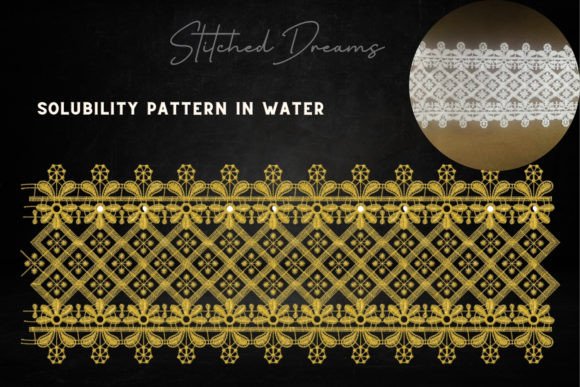
Reviewing Embroidery Borders of Water-soluble
As a designer who has spent countless hours hooped up at the machine, tweaking tension and swapping needles, I approach every new machine embroidery design with a mix of curiosity and caution. We have all been there: you download a beautiful digital embroidery file, only to find it puckers the fabric or lacks the definition needed for a professional finished product. Recently, I had the chance to evaluate the Ethreal Blooms collection, specifically focusing on the Embroidery Borders of Water-soluble motifs. These are not just decorative lines; they are structural elements that define the edge of your creativity.
First Impressions and Visual Personality
The first thing that strikes you about this collection is its delicate nature. The term "water-soluble" in the title refers to the technique often used with such intricate borders, where the stabilizer dissolves to leave behind floating, lace-like edges, or it implies the delicate, ephemeral quality of the floral motifs themselves. When I loaded the embroidery file into my software to preview it, the layout felt balanced. It does not scream for attention with aggressive density; instead, it invites the viewer in with subtle curves and organic shapes.
The mood is distinctly romantic and airy. This is not a bold, industrial border suitable for heavy workwear. It is designed for projects that require a touch of grace. The visual personality suggests high-end boutique items rather than mass-produced goods. For an Etsy seller or a small shop product creator, this distinction is vital. You are not just selling stitching; you are selling an aesthetic. These borders convey a sense of handmade care and artistic intention that can significantly boost customer trust and perceived value.
Real-World Application: The Custom Tote Bag Test
To truly understand how these borders perform, I decided to apply them to a real-life scenario. I was preparing a custom order for a client who wanted a set of reusable market totes for her bridal party. The goal was elegant but durable. I chose a sturdy cotton canvas for the tote bag design, knowing that the fabric weight would support the intricate details of the border without collapsing.
I placed the Embroidery Borders of Water-soluble along the bottom hem of the bag. The result was striking. The floral motifs did not look stamped on; they looked integrated into the fabric. Because the design uses a mix of satin stitch for the petals and running stitch for the finer vines, the texture variation added depth. When the client saw the mockup, she immediately noted how the design elevated the simple canvas into a luxury item. This is the power of good design assets: they transform basic materials into desirable handmade products.
Performance Across Different Projects
Beyond tote bags, I considered where else this collection would shine. The versatility of these borders makes them ideal for various embroidery projects:
- Sweatshirt Embroidery: Placing a border along the cuff or hem of a fleece-lined sweatshirt adds a unexpected touch of femininity to a casual garment. However, one must be mindful of the fabric texture; a dense pile might hide fine details.
- Baby Embroidery: For nursery decor or baby blankets, the soft, non-aggressive lines are perfect. They feel safe and gentle, which is crucial for personalized gifts intended for infants.
- Holiday Embroidery: While the current theme is floral, the structure of the border can be adapted with seasonal thread colors. Imagine deep reds and greens for Christmas linens or pastels for Easter aprons.
- Commercial Embroidery: For boutique branding, these borders can frame logos or text on packaging inserts, adding a layer of professionalism to unboxing experiences.
Technical Considerations and Stitch Density
While the aesthetic appeal is high, a responsible designer must look at the technical execution. The stitch density in these water-soluble style borders is critical. If the stitches are too sparse, the design will lack definition and may snag easily. If they are too dense, the fabric will pucker, especially on lighter materials like chiffon or thin cotton.
In my review, I noticed that the design relies heavily on precise tension. When working with water-soluble techniques or simply aiming for that clean, cut-work look, the choice of stabilizer is paramount. I recommend using a high-quality cut-away stabilizer for stretchy fabrics like jersey, and a tear-away for stable wovens. Always test the design on scrap fabric first. Do not assume that because it looks good on screen, it will stitch out perfectly on your specific machine.
Another key factor is the hoop size. Ensure that your hoop can accommodate the full width of the border without needing to re-hoop, which can lead to alignment issues. If you are working on curved surfaces like caps, be cautious. Complex borders often do not translate well to highly curved areas unless they are specifically digitized for that purpose.
Where to Use Caution
Not every project is a candidate for this type of border. Avoid using these intricate designs on:
- Dark Fabric without Contrast: If you use dark thread on dark fabric, the detail will be lost. Ensure high contrast between your thread colors and the background material.
- High-Wear Areas: While beautiful, delicate borders may not withstand the abrasion of a knee patch on children's pants or the constant friction of a work apron pocket.
- Tiny Lettering Integration: If you plan to combine this border with small text, ensure the text is legible. The complexity of the floral elements can compete with small fonts, making the overall design look cluttered.
Enhancing Brand Consistency and Value
For craft business owners, consistency is key. Using a cohesive set of borders like the Embroidery Borders of Water-soluble helps build a recognizable brand identity. When customers see that same delicate floral edge on your embroidered patch, your custom apparel, and your printable mockup previews, they begin to associate that style with your quality. This recognition drives buyer engagement and repeat sales.
Moreover, these borders add tangible value. A plain pillow cover is a commodity; a pillow cover framed with ethereal, lace-like embroidery is a heirloom. This shift in perception allows you to price your small shop product higher, reflecting the skill and time involved in creating such detailed work.
Final Designer Notes
Before you commit to a large production run or list a new item in your store, take these practical steps:
- Check the license terms. Confirm whether the digital embroidery file allows for commercial use if you plan to sell the finished product.
- Inspect the small details. Zoom in on the digitizing to ensure there are no unnecessary jumps or loose threads that could cause issues during stitching.
- Test in black and white. This helps you see the contrast and shape clarity without the distraction of color.
- Consider the end-user. Will this design survive frequent washing? If so, reinforce the start and end points of the stitches.
The Embroidery Borders of Water-soluble collection is a strong addition to any designer’s library. It offers a blend of elegance and practicality that, when used with care and technical precision, can elevate your embroidery project from simple craft to professional art. Whether you are creating a holiday gift or building a boutique branding strategy, these borders provide the delicate touch that modern consumers crave.