Reviewing StitchBloom for Boutique Sweatshirts
As an embroidery designer who has spent years refining digitizing techniques for small clothing brands, I approach every new machine embroidery design with a critical eye. It is not just about whether the image looks pretty on a screen; it is about how those stitches will behave on fabric, how they will hold up after washing, and whether they elevate the perceived value of the garment. Recently, I had the opportunity to evaluate StitchBloom - Floral Embroidery Pattern for an upcoming limited drop of premium sweatshirts for a local boutique brand. This review breaks down my professional assessment of this digital asset, focusing on its application in real-world commercial apparel production.
First Impressions: Texture and Mood
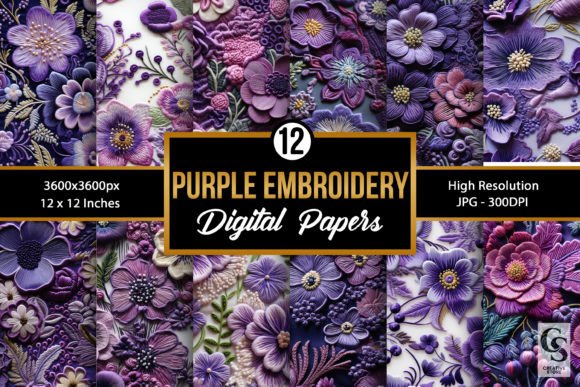
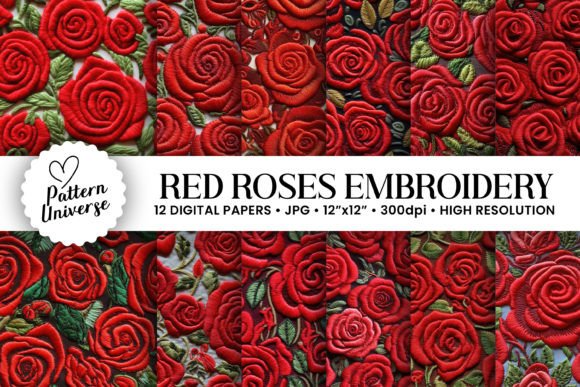
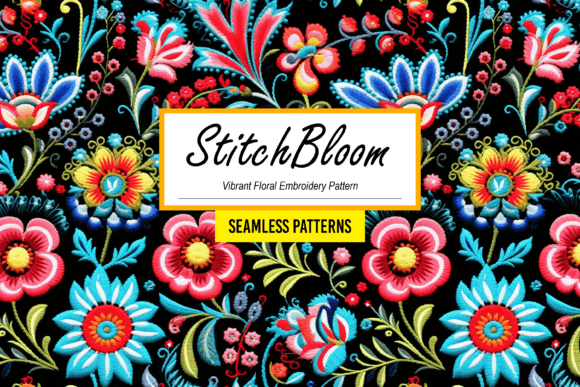
The moment I opened the preview for StitchBloom - Floral Embroidery Pattern, I was struck by its organic feel. In a market saturated with flat, vector-style graphics, this design stands out because it embraces the tactile nature of thread. The description promises a seamless pattern featuring hand-stitched embroidery patterns with intricate floral motifs, and visually, it delivers on that promise. The layered approach suggests depth, which is crucial when you are trying to create a luxury feel on casual wear.
The mood of this design is distinctly feminine yet rustic. It does not scream for attention with neon brightness or aggressive shapes; instead, it whispers sophistication. For a boutique brand aiming to sell cozy seasonal apparel, this aesthetic is gold. It feels decorative without being overly busy, striking a balance between minimal and intricate. When I imagine this stitched onto a heavyweight cotton blend, the textured layers promise to catch the light beautifully, adding a dimension that printed graphics simply cannot achieve.
Application on Sweatshirts and Hoodies
Choosing the right placement is half the battle in sweatshirt embroidery. I tested the visual weight of StitchBloom - Floral Embroidery Pattern against several common garment styles. On neutral sweatshirts, such as oatmeal, sage, or charcoal, the floral motifs pop subtly. The intricate details allow the thread colors to shine without overwhelming the base fabric. However, on dark fabric like navy or black, I would recommend using lighter thread colors to ensure the design remains readable. Contrast is key here; if the threads blend too much into the background, the meticulous stitches lose their impact.
For oversized hoodies, this design works exceptionally well as a chest placement. It is large enough to be noticed but refined enough to maintain a clean, high-end look. I also considered using elements of this pattern for sleeve accents. Because the design is described as seamless and layered, isolating specific floral clusters could create a cohesive look across the entire garment. Imagine a small bloom on the cuff and a larger arrangement on the back—this creates a narrative throughout the piece, encouraging customers to engage with the product from every angle.
Technical Considerations for Production
Before running any commercial embroidery job, we must address the technical realities. The description notes that the design boasts meticulous stitches. While this is aesthetically pleasing, it raises questions about stitch density. High-density designs can cause puckering on thinner fabrics, but sweatshirts are generally thick enough to handle substantial stitch counts. Nevertheless, I always advise checking the specific file details before production. You need to know the exact hoop size required and whether the design has been optimized for stretchy knits.
Stabilizer choice is critical here. For a premium feel, I recommend using a cut-away stabilizer rather than tear-away. This ensures that the embroidery remains stable even after multiple washes, preventing the fabric from distorting around the heavy stitching. Additionally, consider the thread colors carefully. Matte threads often look more luxurious on sweatshirts than shiny rayon, as they mimic the look of traditional hand stitching. This aligns perfectly with the "hand-stitched" vibe of StitchBloom - Floral Embroidery Pattern.
Enhancing Brand Identity and Value
For Etsy sellers and small shop owners, the perceived value of a handmade product is everything. A generic print can feel mass-produced, but embroidery signals effort, quality, and durability. Using a complex, layered design like StitchBloom - Floral Embroidery Pattern allows you to charge a premium price point. Customers understand that embroidery takes time and skill. When they see the texture and depth of the floral motifs, they associate that quality with your brand identity.
This design also aids in visual recognition. If you use consistent floral themes across your collection, customers begin to recognize your style instantly. It becomes part of your brand’s signature. Furthermore, for lifestyle product photography, textured embroidery photographs better than flat prints. The shadows created by the raised stitches add interest to your images, making your social media feeds and online listings more engaging. This can significantly boost customer engagement and drive sales for your small business.
Practical Tips for Digital Sellers and Crafters
If you are a digital seller offering this as a digital embroidery file, or a crafter using it for custom apparel, presentation matters. Create printable mockups that show the design on various fabric textures. Show potential buyers how it looks on a fuzzy fleece versus a smooth French terry. This helps them visualize the final product and reduces hesitation in purchasing.
Remember to verify the license terms included with the design assets. Since this is intended for commercial use in a boutique setting, ensure you have the rights to sell finished products made with this pattern. Also, check if the file format is compatible with your specific embroidery machine. Common formats include PES, DST, and JEF, but compatibility varies by brand.
Final Verdict
StitchBloom - Floral Embroidery Pattern is a strong contender for any designer looking to add a touch of elegance to casual wear. Its layered, textured approach makes it ideal for sweatshirts and hoodies where fabric thickness can support detailed stitching. It feels premium, rustic, and deeply feminine, appealing to customers who value craftsmanship. By paying attention to stabilizer choice, thread contrast, and placement, you can transform this digital graphic into a standout physical product. For small clothing brands and creative entrepreneurs, this design offers the perfect blend of artistic flair and commercial viability. Just remember to double-check the technical specs like hoop size and stitch count before starting your next production run to ensure a flawless finished product.