Reviewing the Digitized Cute Duck Embroidery Delight
As a designer who has spent countless hours staring at stitch maps and troubleshooting thread breaks, I approach every new machine embroidery design with a mix of curiosity and skepticism. We have all been there: you download a file that looks adorable on the screen, only to find it turns into a tangled mess of bird’s nest stitching on your actual garment. That is why I took the time to thoroughly evaluate the Digitized Cute Duck Embroidery Delight before committing it to any client work or personal inventory.
This design falls squarely into the Baby Animals category, a niche that is perpetually popular but also highly competitive. The promise here is simple: a charming pattern that captures the grace and cuteness of a feathered friend, intricately digitized for real-world application. But does it hold up under the needle? Let’s dive into the practical details.
First Impressions and Visual Personality
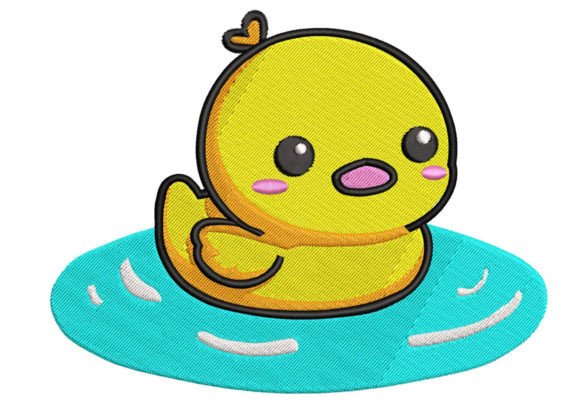
When I first loaded the preview of the Digitized Cute Duck Embroidery Delight, the immediate impression was one of softness. The lines are not harsh or overly geometric; instead, they flow with a rounded, friendly aesthetic that appeals directly to the target demographic of parents and gift-givers. The layout feels balanced, avoiding the common pitfall of having too much visual weight on one side, which can cause hoop distortion during stitching.
The mood this design creates is undeniably cheerful. It is not trying to be realistic or anatomically correct; rather, it leans into a stylized, storybook charm. For an embroidery project intended for nursery decor or infant wear, this approach is spot-on. The level of detail is moderate enough to remain clear even at smaller sizes, yet intricate enough to look professional and high-value. It avoids the "blob" effect that plagues poorly digitized small designs, ensuring that the duck remains recognizable as a distinct character rather than a vague yellow shape.
Real-World Application: From Tote Bags to Baby Onesies
To truly test the versatility of this embroidery file, I considered several common use cases for my small shop. The first scenario that came to mind was a custom tote bag design. Canvas is a sturdy fabric that handles fill stitches well, and the bright colors typically associated with ducks pop beautifully against natural cotton or denim. I envisioned this design centered on a grocery tote, perhaps accompanied by a simple sans-serif name underneath. The robust nature of the digitizing suggests it would withstand the frequent washing these bags endure.
Next, I considered baby embroidery applications. A soft, organic cotton onesie is a prime candidate. Here, the concern is always comfort. If the stitch density is too high, the backing can feel scratchy against delicate skin. Based on the visual structure of the Digitized Cute Duck Embroidery Delight, it appears to use a smart combination of satin stitch for outlines and lighter fill stitch areas for the body. This balance is crucial for wearable items. It suggests that with the right stabilizer—likely a soft cut-away for stretchy knits—the finished product would remain flexible and comfortable.
For those running an Etsy seller business or a boutique brand, this design also works well for embroidered patch creation. Patches allow you to stitch out the design on a stable twill fabric, trim it, and then apply it to various garments like caps or jackets. This method bypasses the difficulty of embroidering directly onto curved or textured surfaces, giving you more control over the final presentation.
Navigating Technical Challenges and Fabric Choices
While the design is charming, no digital asset is universally perfect for every situation. There are specific scenarios where you need to exercise caution. For instance, if you are planning to use this on dark fabric, you must pay close attention to your thread colors. A yellow duck on black fleece requires high-contrast thread choices to ensure the details do not get lost. I recommend testing the design in a black-and-white mockup first to check for clarity.
Another critical consideration is the hoop size. While the description implies intricacy, shrinking this design too much to fit a 4x4 inch hoop might cause the finer details, such as the eye or beak definition, to merge together. Always check the minimum recommended size provided by the digitizer. Conversely, blowing it up too large for a blanket might reveal the individual stitch paths, breaking the illusion of a smooth illustration. Finding that sweet spot is key to maintaining professionalism.
Textured fabrics like terry cloth towels or fluffy minky blankets present another challenge. The running stitch elements in the design might sink into the pile. In these cases, using a water-soluble topping is non-negotiable to keep the stitches sitting on top of the fabric texture. Without it, even the best digital embroidery file can look messy and undefined.
Commercial Value and Brand Consistency
From a business perspective, the Digitized Cute Duck Embroidery Delight offers strong potential for increasing product value. Customers associate clean, crisp embroidery with quality. A well-executed duck design on a sweatshirt embroidery piece or a personalized gift item signals that care was taken in production. This builds customer trust and encourages repeat business.
For craft business owners, consistency is vital. If this design fits your brand’s aesthetic—whimsical, soft, and family-oriented—it can become a staple in your catalog. It pairs well with other Baby Animals themes, allowing you to create cohesive collections for spring releases or holiday embroidery gifts, such as Easter baskets or baby shower presents.
Practical Designer Notes for Best Results
Before you list this as a small shop product or use it in a client order, follow these practical steps:
- Test on scrap fabric first: Never skip the test stitch. Use the same fabric type and stabilizer combination you plan to use for the final product.
- Check thread contrast: Ensure your thread palette provides enough distinction between the duck’s features and its body.
- Verify licensing: Confirm whether the design assets come with a commercial license if you intend to sell finished items. This is crucial for legal compliance.
- Inspect stitch density: Look at the stitch count relative to the size. If it seems excessively dense for a lightweight fabric, consider adjusting your machine settings or using a heavier stabilizer.
- Mockup versatility: Create printable mockup images showing the design on various items like aprons, pillow covers, and caps to showcase its versatility to potential buyers.
In conclusion, the Digitized Cute Duck Embroidery Delight is a solid addition to any designer’s library. It balances cuteness with technical practicality, making it suitable for a wide range of custom apparel and home goods. By respecting the limitations of your materials and taking the time to test properly, you can turn this digital file into a standout finished product that delights customers and enhances your brand’s reputation for quality.